

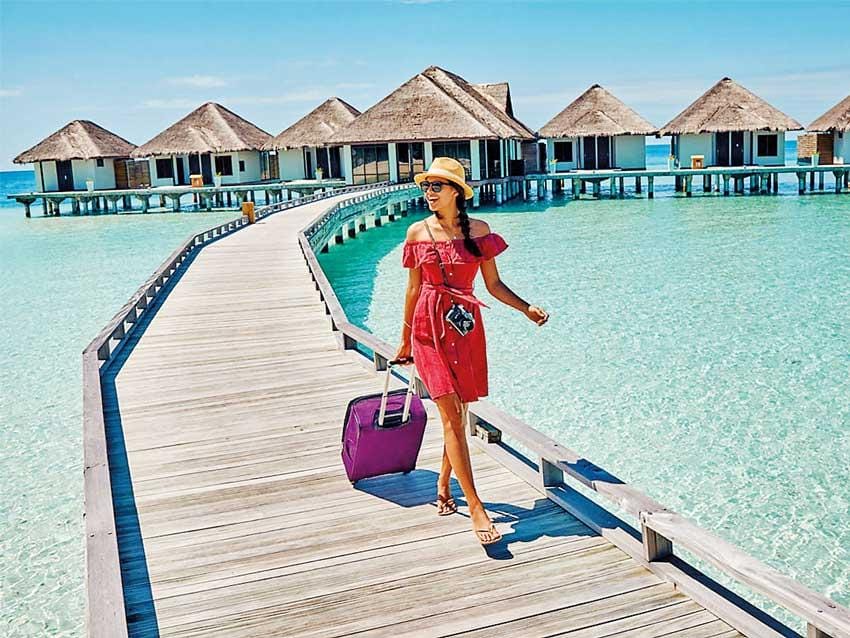
The Maldives helped define luxury island tourism. Overwater villas, lagoon experiences, and private-island aesthetics became a global language—and the Maldives spoke it fluently. But the next decade of tourism won’t be won by beauty alone. It will be won by credibility: in sustainability, community benefit, and experience design.
Today’s traveler is evolving. They still want turquoise water, but they also want to feel good about choosing it.
The rise of “proof-based” luxury
Luxury used to mean separation from problems—privacy, exclusivity, distance. Now it increasingly means care: for place, for people, for impact. Travelers ask questions that used to be niche:
- Where does the resort’s energy come from?
- What happens to waste?
- How does the business support local livelihoods?
- Are reef and wildlife interactions responsible?
The Maldives has an opportunity here because its product is inherently tied to nature. If nature declines, the product declines. Sustainability isn’t a marketing add-on; it is product protection.
Experience is shifting from spectacle to meaning
The Maldives already offers spectacle. The next layer is meaning:
- Marine literacy experiences: guided reef education, citizen science snorkels, coral nurseries with real data tracking.
- Cultural depth: curated visits that respect island life—not staged “shows,” but genuine storytelling, craft, cuisine, and history.
- Wellness with place-based identity: not generic spa menus, but wellness rooted in ocean rhythms, local botanicals, and Maldivian sensibilities.
- Slow luxury: less itinerary, more presence—sunrise dhoni rides, stargazing, lagoon paddles, quiet design.
Tourism is no longer only about what you can show; it’s about what you can feel and learn.
Community-based tourism isn’t the “budget alternative”
Guesthouse tourism has changed the national tourism landscape. But to compete internationally, it needs consistent standards: waste management, design quality, safety, storytelling, and service training. If done well, local tourism can be a premium product—authentic, intimate, and culturally rich.
The Maldives can develop a global reputation for “two journeys in one country”: private-island luxury and community-centered island living—both world-class, both responsible.
What leadership could look like
If the Maldives chooses to lead, it can set benchmarks other destinations follow:
- Transparent sustainability reporting (not vague claims; measurable data).
- Reef-safe tourism standards as default, not optional.
- Design codes that protect shorelines and reduce environmental strain.
- Local supply chain development: fisheries, agriculture, crafts, and services integrated into resort procurement.
- Cultural protection protocols for island visits—respect, privacy, fair compensation, and consent.
The Maldives does not need to chase trends. It can define them—because it is already the destination others compare themselves to.
The question isn’t whether people will keep coming. They will. The question is whether the Maldives can remain a dream without becoming a cautionary tale. The next era of tourism must be built like a reef: resilient, interconnected, and alive.