

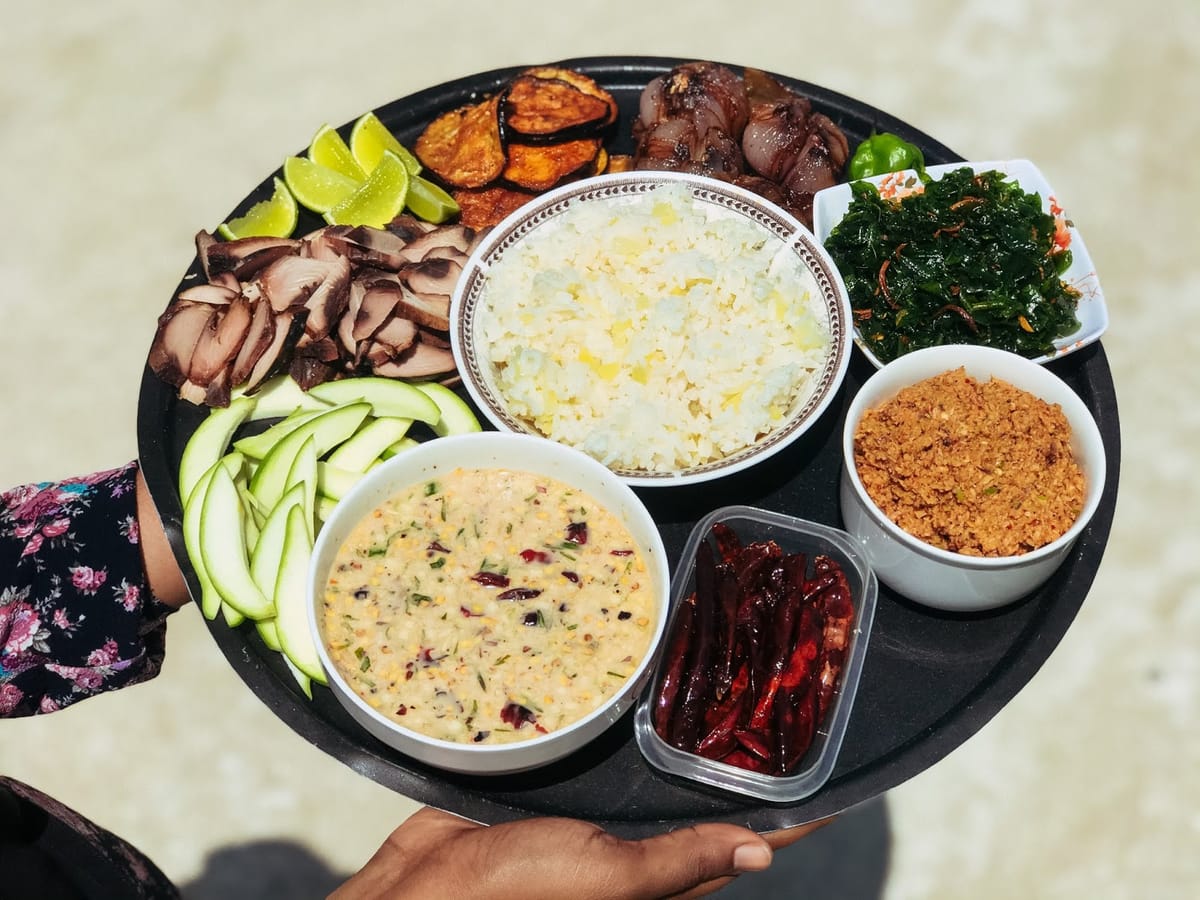
The Maldives is sometimes marketed through silence: quiet beaches, private villas, minimal noise. But Maldivian culture is not silent. It’s rhythmic. It’s social. And nowhere is that clearer than in food.
To understand Maldivian identity, start with a simple truth: this is an ocean nation. And Maldivian cuisine is what happens when tuna becomes tradition, coconut becomes comfort, and spice becomes conversation.
Tuna isn’t an ingredient—it’s a foundation
In many places, tuna is a product. In the Maldives, it is a vocabulary. Smoked, dried, flaked, mashed, cooked into curries, folded into sambols, shaped into snacks—tuna adapts because island life requires adaptation.
This is also why Maldivian food feels intensely practical. It is designed for durability, for sharing, for feeding families, and for living with the rhythms of fishing and weather.
The coconut economy of taste
Coconut is everywhere—not just for richness, but for balance. It softens spice, thickens curries, and creates the unmistakable Maldivian mouthfeel: creamy, aromatic, comforting.
Coconut also tells a story of resourcefulness. In island societies, you learn to use what grows well. Coconut becomes milk, oil, grated texture, and sweetness. It stretches meals and connects generations.
The social language of “hedhikaa”
Hedhikaa—snacks like bajiyaa, gulha, and keemia—are not just food items. They are social glue. They appear in living rooms, offices, gatherings, and celebrations. They’re what you offer when someone arrives. They’re what you eat while talking about politics, weddings, or the sea.
A country’s food culture is often a mirror of its social structure. In the Maldives, hedhi kaa reflects warmth and openness: hospitality as habit, not performance.
Why food matters internationally
A Maldivian magazine on global platforms should treat food as a serious cultural asset. Cuisine is one of the easiest ways for international audiences to connect with a place beyond stereotypes.
What the Maldives can offer the world isn’t “island food” in a generic sense. It’s a distinct culinary identity shaped by:
- maritime life,
- trade routes,
- South Asian influences,
- and local ingenuity.
There is also room for a contemporary wave: Maldivian chefs interpreting tradition with modern technique—while keeping the soul intact.
If tourism sells the Maldives as a destination, food can sell it as a culture.