

It’s easy to write about the Maldives’ vulnerabilities: small size, import dependence, exposure to global shocks, climate risk. But it is equally true that the Maldives has repeatedly shown a rare national skill—recovery.
In the last two decades, the country has demonstrated an ability to rebound from disruptions faster than many larger economies. That resilience is not accidental. It’s a product of a mature tourism engine, adaptive businesses, a globally recognizable brand, and a population accustomed to navigating uncertainty.
Tourism as a stabilizer—and a platform
Tourism is often criticized for being “too dominant,” but dominance has a second side: it builds systems. Connectivity, aviation links, hospitality skills, international marketing capability, and foreign exchange earnings all flow through tourism. That creates a platform on which other sectors can be built.
The Maldives’ strategic advantage is not only that people want to visit. It’s that the country has repeatedly proven it can deliver an experience that matches the expectation. That trust is economic capital.
Diversification is happening—just not always loudly
While tourism remains central, there is gradual movement in other areas:
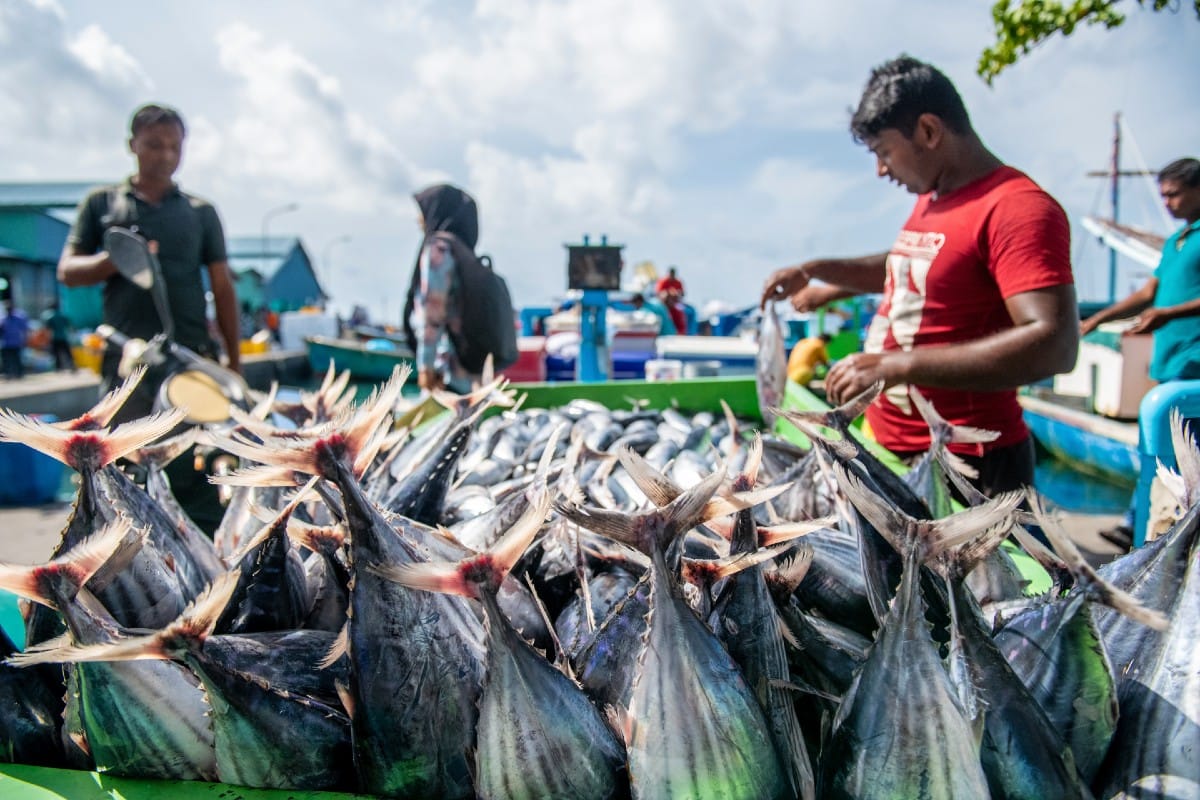
- Fisheries modernization and value-added products.
- Construction and urban development aligned with population shifts.
- Digital services and remote work potential as connectivity improves.
- Renewable energy pilots that reduce long-term import burdens.
- Maritime services linked to the nation’s ocean geography.
Diversification does not have to mean abandoning tourism; it can mean using tourism income to strengthen national capability elsewhere.
The positive story: an economy that learns fast
What stands out in the Maldivian context is speed of adaptation. Businesses adjust pricing, staffing, and services quickly. Government and institutions respond to shifts in arrivals, global travel sentiment, and currency pressures with a pragmatism that is often underestimated.
There is also a cultural factor: Maldivians are used to a life shaped by tides, seasons, and distance. That fosters a kind of strategic realism. You plan, but you also prepare for change.
The next confidence-building step: productivity and efficiency
Optimism must be anchored in improvements people can feel:
- Reducing energy costs through renewables and efficiency.
- Strengthening local production where possible (food supply chains, small-scale agriculture, fisheries).
- Improving logistics between islands to lower the “tax of distance.”
- Skills development tied to real labor market needs: hospitality management, marine tech, construction quality, digital work.
In a small economy, small gains compound quickly.
There is no need to pretend challenges don’t exist. But a realistic positive perspective is this: the Maldives remains an economy with a strong global product, an adaptive private sector, and a proven ability to recover. Confidence is not denial; it is a strategy grounded in track record.